








Do you dread opening your pantry because everything tumbles out or disappears behind other items? If mismatched jars, forgotten cans, and overflowing shelves fill you with anxiety, you’re not alone. Many households cram groceries wherever they fit, hoping they’ll remember what’s inside. This lack of structure leads to lost ingredients, wasted food, and constant frustration.
The disarray does more than ruin your appetite for cooking. You might buy duplicates because you can’t see what you already have or miss expiration dates. After all, ingredients are buried. Over time, the clutter eats into your budget, adds stress to meal prep, and makes your kitchen feel less inviting.
You don’t need a costly renovation to see improvement; there are many pantry organization ideas you can try at your own pace. In this blog, you’ll learn about using baskets, creating zones, making the most of deep shelves, choosing clear containers, and adjusting your pantry for the seasons.
How Can Baskets & Zones Simplify Your Pantry?
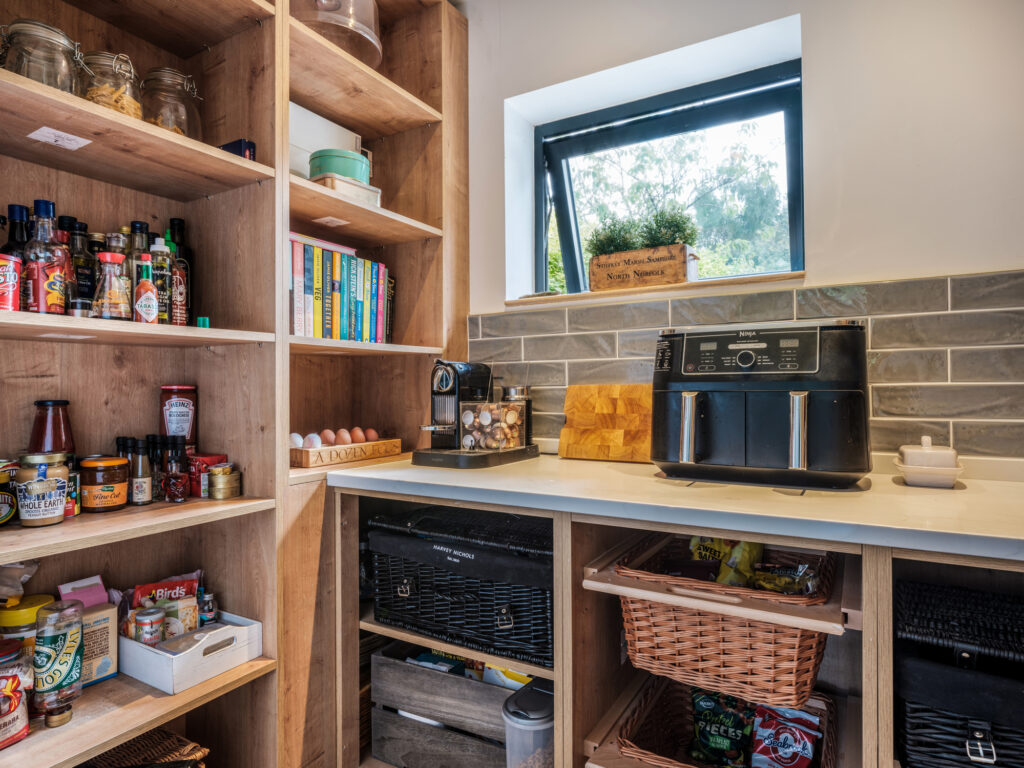
An organized pantry can transform a chaotic kitchen into a streamlined culinary workspace, making meal preparation more efficient and enjoyable. The key lies in implementing smart storage solutions and thoughtful organizational strategies.
Smart Storage Solutions for a Tidy Pantry
- Baskets for Paper Products and Loose Items: Utilizing sturdy baskets for paper products and other loose items offers multiple benefits. They not only keep these supplies tidy and contained but also protect them from dust and potential spills. During summer gatherings, these baskets prove incredibly convenient, allowing you to easily carry supplies out to the patio or dining area, minimizing trips back and forth to the kitchen. Opt for baskets with handles for maximum portability.
- Hanging Shoe Organizers for Bottles: Free up valuable shelf space and provide a dedicated home for reusable water bottles by repurposing a hanging shoe organizer. Attach it to the back of your pantry door, and each pocket can hold a bottle, making them easily accessible and preventing them from cluttering shelves or rolling around. This system also encourages family members to use and return their bottles to the designated spot, promoting a more organized routine.
Organizing Your Pantry into Zones
- Basic Tidy and Grouping: Begin by performing a basic tidy-up, removing any expired or unused items. Once your pantry is clear, group similar products together. For instance, designate one section for snacks, another for baking supplies (flour, sugar, leaveners), and a separate area for canned goods (vegetables, soups, beans).
- Kid-Friendly Zones: If you have children, consider dedicating a lower shelf to healthy snacks that they can easily access themselves. This empowers them to make independent choices and helps reduce the constant requests for help reaching items.
- Benefits of Zoning: Creating zones ensures that everything has a specific home. This systematic approach makes it much easier to assess when you’re running low on a particular item, preventing last-minute grocery runs. Furthermore, it significantly reduces the likelihood of items being forgotten or hidden behind taller packages, leading to less waste and a more efficient inventory.
Repurposing Jars & Bottles for Order & Aesthetics
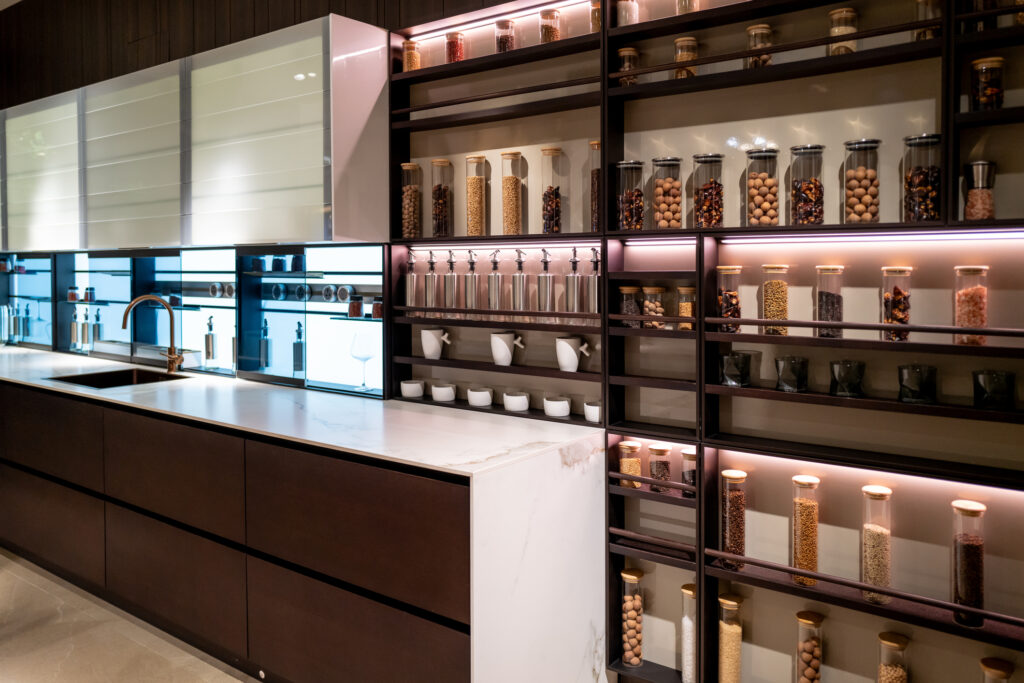
- Mason Jars and Reused Glass Containers: Mason jars or other reused glass containers are not only budget-friendly but also contribute to a cohesive and visually pleasing pantry. Fill them with dry goods such as pasta, beans, lentils, rice, or nuts. Adding clear, legible labels to each jar allows for quick identification, saving you time when searching for ingredients.
- Personalized and Eclectic Displays: If you prefer a more personalized and unique look, consider sourcing thrifted jars in various shapes and sizes. This eclectic display can add character to your pantry while still maintaining the essential function of keeping ingredients visible and organized. The transparency of glass containers is key, allowing you to easily see the contents and monitor your stock levels at a glance.
What Space‑Saving Pantry Organization Ideas Work For Deep Shelves?
Deep shelves tend to swallow cans and plates. Shelf risers create a second level so you can stack items and still see what’s behind, while pull‑out drawers slide forward to let you reach the back without toppling everything. Adding one or two of these solutions makes meal prep more convenient.
Utilizing vertical and door space also helps. Hang pot or pan lids on the inside of cabinet doors using adhesive hooks, or install narrow shelves on the door to hold spices and small jars. Shoe organizers that didn’t get used for shoes can become pockets for snack bars or drink mixes, making use of otherwise overlooked space.
Some space‑saving pantry organization ideas work particularly well for deep shelves:
- Shelf risers: Increase vertical storage by stacking plates, cans, or jars on two levels.
- Pull‑out shelves: Slide out to let you reach the back of deep cabinets without toppling everything in front.
- Door storage: Use the back of pantry doors to hang lids or store spices and other small jars.
- Repurposed organizers: Turn shoe pockets or clear bins into pockets for packets and snacks.
By maximizing vertical space and making deep shelves more accessible, you’ll waste less food and find ingredients with ease.
Why Are Labels & Containers Key To Clarity?
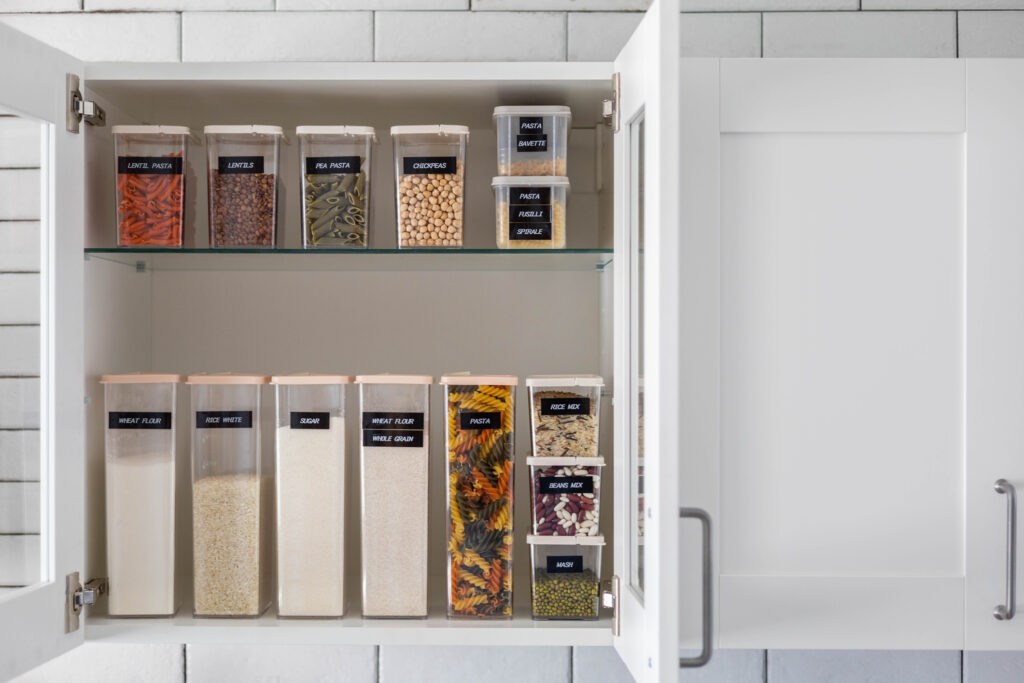
Decanting dry goods into clear containers may seem like a trend, but it’s a proven strategy for maintaining pantry order. Clear, airtight containers keep food fresh and let you see what you have at a glance. When you move flour, sugar, or cereal into uniform jars, you free your shelves from bulky packaging and create a streamlined look.
Labeling each container is essential to avoid confusion and waste. Use legible labels that include the name of the ingredient and, if possible, its expiration date. Labels make it easy for everyone in the household to return items to their proper place and prevent mistakes like mixing up salt and sugar. Some containers come with pre‑printed labels, while others allow you to customize your own. Whether you choose chalkboard labels or printed stickers, consistency is key.
Refresh your labels when you refill containers using erasable markers so you can adjust dates or contents without peeling off stickers. When labelling becomes part of your routine, the sense of order you’ve created will last.
How Do Seasonal & Healthy Pantry Habits Help You?
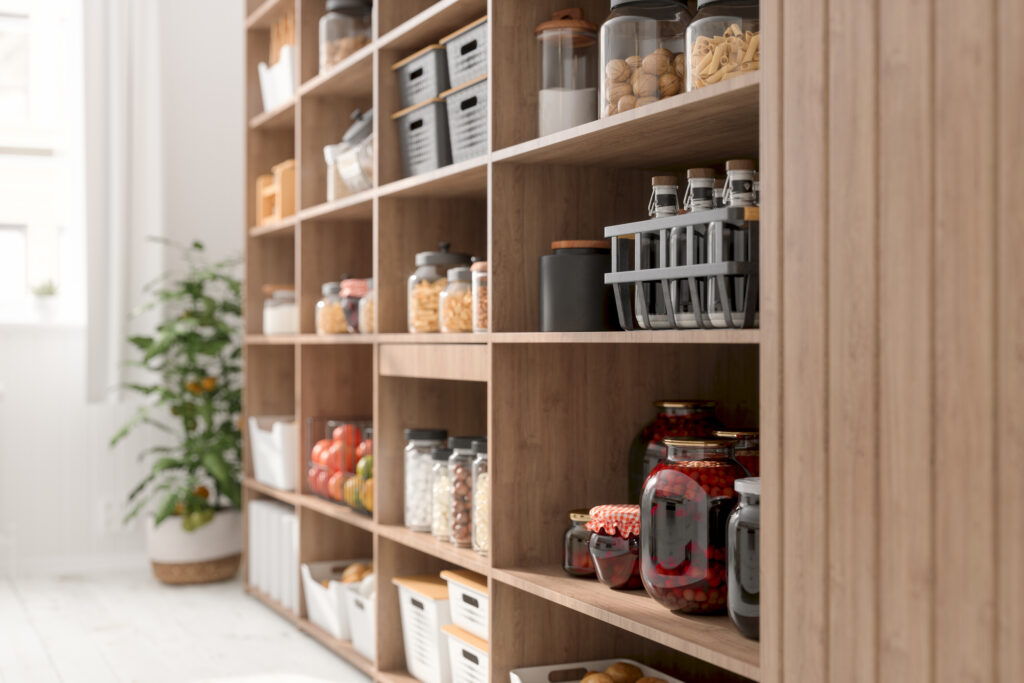
Changing seasons and evolving eating habits mean your pantry needs occasional attention. By building healthy routines and adjusting your storage to suit the time of year, you keep ingredients fresh and accessible while reducing waste.
Healthy Habits & Daily Rotation
Establishing a few daily and weekly habits makes it easier to stay organized between big clean‑outs. Start by grouping essentials such as baking ingredients, snacks, canned goods, and spices into clear zones. A dedicated snack zone filled with nuts, dried fruit, and whole‑grain crackers encourages healthier choices for kids and adults alike. When you shop, rotate stock so older items move to the front and get used before they expire. Having a meal prep section with oils, vinegars, and your most‑used spices also speeds up dinner time.
- Rotate stock: Place new purchases at the back so older items get used first.
- Prep zone: Keep frequently used oils, sauces, and spices together for quick meal prep.
Seasonal Adjustments & Eco‑Friendly Habits
Canadian seasons influence what you cook, so rearrange your pantry a few times a year. In summer, leave space for barbecue sauces and condiments, while winter calls for soups, stews, and baking supplies. A quick declutter every few months, like donating unused items and composting expired foods, keeps shelves fresh and prevents overcrowding. Eco‑friendly habits make your pantry healthier: bring home bulk items in reusable bags, store goods in glass jars, and recycle or compost packaging whenever possible. Small touches like decorative baskets or a chalkboard for grocery lists also make the pantry a pleasant space you’ll want to maintain.
- Seasonal swap: Shift shelves to accommodate seasonal ingredients like barbecue sauces or baking staples.
- Declutter regularly: Set aside time every few months to clear out expired or unused items.
- Think green and personalize: Use reusable bags and glass storage, and add decorative elements like baskets or a chalkboard to make the pantry inviting.
Why Choose Closet Envy For Your Pantry Makeover?
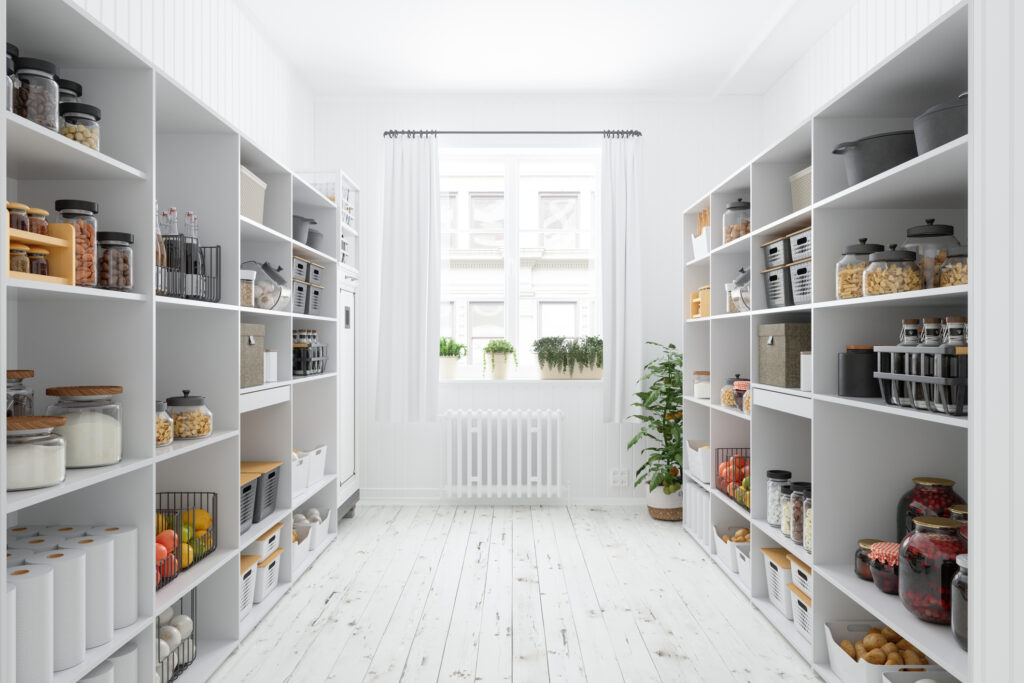
Pantry organization ideas are only as good as their execution, and that’s where Closet Envy shines. Our team listens to your cooking habits and storage frustrations and designs a system that works for your family, whether that means pull‑out shelves for deep cabinets or custom zones for baking, snacks, and meal prep. We guide you from the first call to the final installation, focusing on the details so you can enjoy an organized pantry without stress. We believe in staying with our clients through every stage, making the process comfortable and transparent rather than confusing. Our designers think about details other contractors overlook, like lighting, ergonomic heights, and how seasonal humidity in Canada can affect dry goods. We go beyond the minimum by using high-quality materials, keeping installations tidy, and following up to ensure your complete satisfaction. Working with Closet Envy means partnering with a professional team that cares about your home and wants you to love the results.
Ready to see how organized your pantry can be? Contact us today and discover how Closet Envy can bring these pantry organization ideas to life in your own kitchen.
Summary
Pantry organization ideas can transform an overcrowded closet into a calm, efficient space. By using baskets and zones, repurposing jars, investing in shelf risers and pull‑out drawers, decanting into clear containers, labelling everything, and adjusting for seasonal needs, you make it easier to find and use your ingredients. Healthy snack zones, regular rotation, and eco‑friendly storage choices keep your kitchen running smoothly. Closet Envy combines personalized service with attention to detail, guiding you through each step. When you’re ready to organize your pantry, these practical ideas will help you create a space you’re proud to use.
This guide also covers how to make the most of deep shelves, clearly label containers, rotate stock, and create snack zones that encourage healthy eating. It highlights the benefits of adjusting your pantry layout to suit Canada’s seasons and embracing eco‑friendly storage options and decorative touches. Above all, it reminds you that these pantry organization ideas are starting points; with a bit of experimentation and the right support from Closet Envy, you can develop a custom system that fits your cooking style and household routines.